


2026 Transparent LED Screen Price Guide: Compare Costs by Size, Pixel Pitch & Application
As transparent LED screens become increasingly popular for retail storefronts, building facades, exhibition halls, and creative stage designs, understanding the factors that influence pricing is essential for making a cost-effective investment. In 2026, the transparent LED display market continues to evolve, with new technologies offering better value than ever before.
This comprehensive price guide breaks down the key cost drivers—size, pixel pitch, transparency rate, and application—to help you find the best transparent LED screen for your budget and project requirements.
1. Transparent LED Screen Size and Its Impact on Price
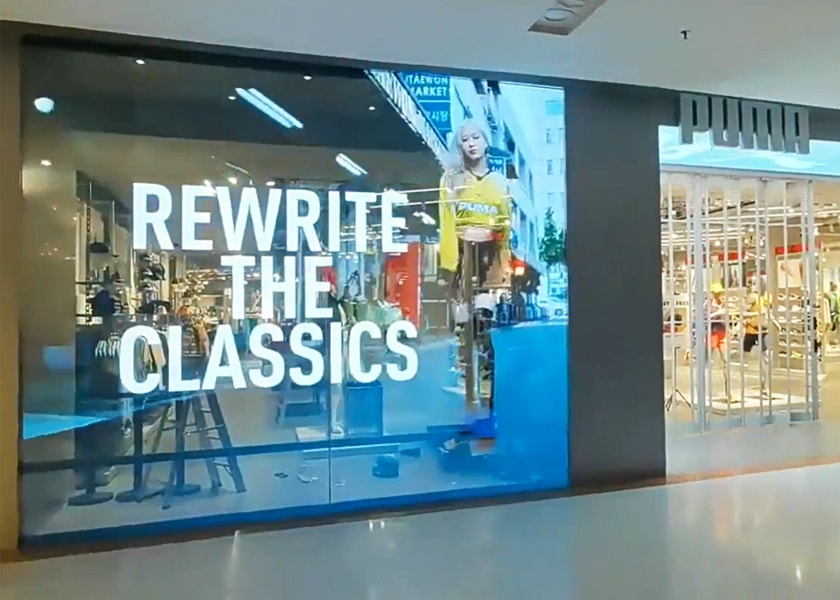
Size remains the primary factor affecting the cost of transparent LED displays. Larger screens require more LED modules, additional structural support, and more complex installation, which naturally increases the overall price.
| Screen Size | Typical Application | Estimated Price Range (USD) |
|---|---|---|
| 500mm × 1000mm | Window displays, small retail | $800 – $1,500 |
| 1000mm × 2000mm | Storefront facades, showrooms | $2,500 – $4,500 |
| 2000mm × 3000mm | Shopping malls, building entrances | $6,000 – $12,000 |
| 3000mm × 4000mm+ | Large-scale architectural facades | $15,000+ |
2. Pixel Pitch and Resolution Considerations
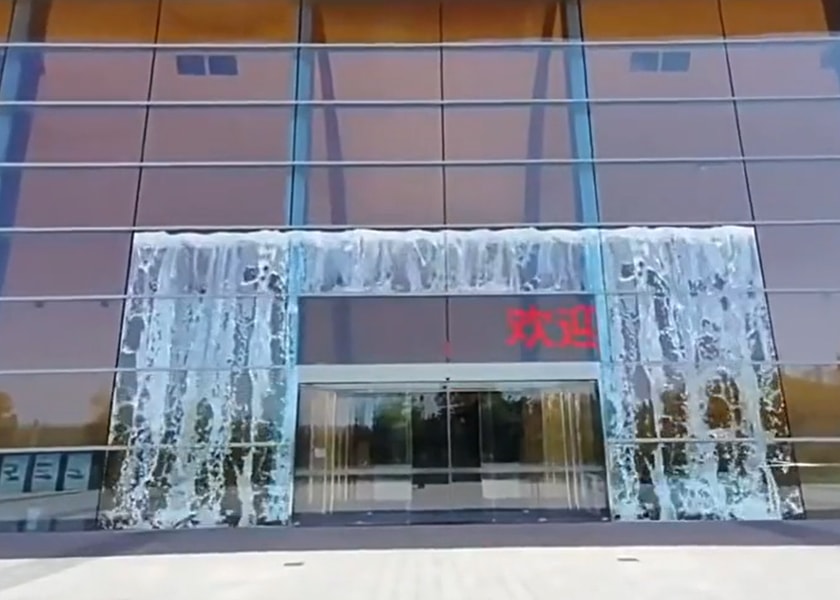
Pixel pitch determines image clarity and directly affects price. Smaller pitch values (e.g., P2.5mm, P3.9mm) deliver sharper images ideal for close viewing distances. Larger pitches (e.g., P6.25mm, P8.9mm) are more affordable and suitable for long-distance viewing.
| Pixel Pitch | Best Viewing Distance | Best Use Case | Cost Level |
|---|---|---|---|
| P2.5mm | 2–5 meters | Indoor retail, high-end showrooms | High |
| P3.9mm | 3–8 meters | Storefronts, exhibition stands | Medium |
| P6.25mm | 5–12 meters | Building facades, outdoor events | Medium-Low |
| P8.9mm | 8–15 meters | Large-scale architectural displays | Low |
3. Transparency Rate and Visual Impact
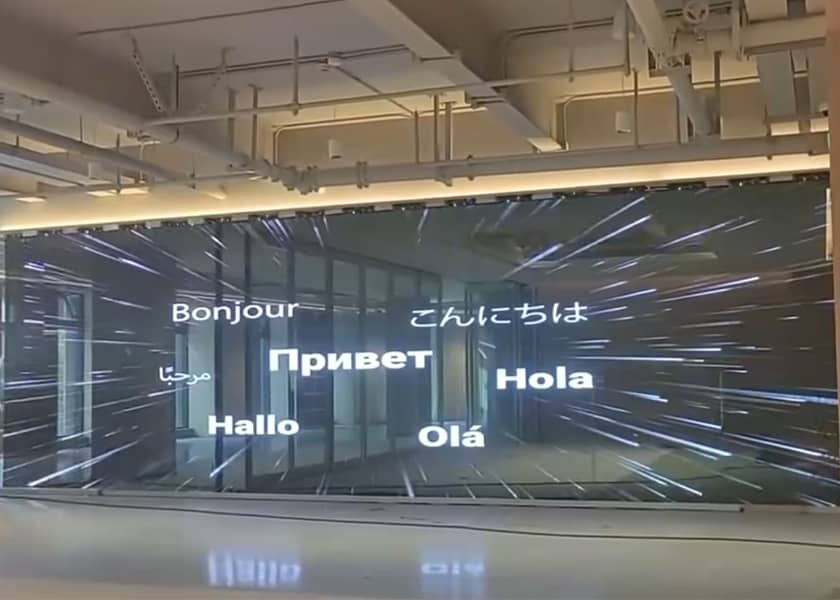
Transparency is the defining feature of transparent LED screens—and a key cost factor. Higher transparency rates (70–90%) allow more natural light to pass through, preserving the aesthetic of glass facades and windows while displaying dynamic content.
| Transparency Rate | Visual Effect | Ideal Application | Cost Impact |
|---|---|---|---|
| 70–75% | Good visibility, moderate brightness | Indoor retail windows, exhibitions | Standard |
| 75–80% | High clarity, excellent daylight visibility | Storefronts, shopping malls | Medium |
| 80–90% | Premium transparency, architectural integration | Glass curtain walls, museums | Premium |
4. Brightness and Environmental Adaptation
Brightness requirements vary significantly between indoor and outdoor applications, directly impacting the final price.
| Environment | Required Brightness | Features Needed | Price Level |
|---|---|---|---|
| Indoor (retail, exhibitions) | 600–1000 nits | Standard LEDs | Moderate |
| Indoor (bright showrooms) | 1000–1500 nits | High-brightness LEDs | Medium |
| Outdoor (covered areas) | 1500–3000 nits | Weather-resistant coating | Medium-High |
| Outdoor (direct sunlight) | 4500–7500 nits | IP65-rated, waterproof | High |
5. Comparing Transparent LED Screen Prices by Application
🛍️ Retail Storefront Displays
Enhance window displays and attract foot traffic. Prices range from $1,500 to $6,000 depending on size and pixel pitch.
🏛️ Architectural Facades
Transform building exteriors into dynamic visual landmarks. Costs range from $8,000 to $25,000+ for large-scale installations.
🎪 Exhibition & Event Displays
Portable transparent LED screens for trade shows. Prices typically range from $2,000 to $8,000.
🖼️ Museum & Gallery Installations
High-transparency screens for interactive exhibits. Prices range from $3,000 to $10,000.
6. Key Technical Features Influencing Transparent LED Screen Price
- Lightweight Design: Ultra-lightweight aluminum frames (12–18 kg/m²) reduce structural load and simplify installation.
- Modular Design: Enables easy replacement of individual panels without dismantling the entire screen.
- Smart Control: Remote management, automatic brightness adjustment, and energy optimization reduce power consumption by 20–30%.
7. Transparent LED Screen Price Trends in 2026
8. Conclusion: Finding the Right Transparent LED Screen for Your Budget
Transparent LED screens offer unparalleled opportunities for creating immersive visual experiences in retail, architectural, and event spaces. By understanding the key price drivers—size, pixel pitch, transparency rate, and application—you can make an informed decision that balances visual impact with cost.
As a trusted transparent LED display manufacturer with over a decade of industry expertise, Jingruns Technology offers a wide range of customizable solutions designed to meet diverse project requirements and budgets.
📞 Contact us today for a free, no-obligation quote tailored to your project specifications!
FAQ
A: Costs range from $800–$1,500 per square meter for standard indoor models, while outdoor and high-transparency screens range from $1,200–$2,500 per square meter.
A: Yes. Screens with 80–90% transparency cost 30–50% more than standard 70% transparency models.
A: Yes. Leading manufacturers like Jingruns Technology offer fully customizable shapes and sizes to fit unique architectural features.
A: With proper maintenance, high-quality transparent LED screens offer a lifespan of 50,000–100,000 hours (approximately 5–10 years).
A: Look for CE, FCC, and RoHS certifications to ensure compliance with international safety and environmental standards.