


The Calibration Blueprint: Unlocking Flawless Visuals for Your LED Wall Stage
When it comes to delivering a breathtaking LED wall stage performance, the visual spectacle relies far more on behind-the-scenes precision than most audiences realize. While LED displays are often marketed as intuitive, plug-and-play visual tools, the reality of professional staging is far more complex. As screen sizes scale to fill massive concert arenas or corporate keynote halls, even the smallest inconsistencies in pixel alignment, brightness, or signal timing can become glaringly obvious, pulling the audience out of the experience.
To achieve the "wow" factor, technical teams must move beyond basic setup and master the art and science of calibration. Here is a deep dive into the calibration secrets that ensure your LED wall stage remains a stable, unified, and visually stunning canvas.
The Foundation of the Visual Experience
Pixel-Level Alignment: The Anatomy of a Seamless Image
At the core of any engaging stage experience lies pixel accuracy. A large LED wall stage is essentially a mosaic of individual LED cabinets. If the positioning between these cabinets is off by even a fraction, the result is visible grid lines, image distortion, or a disjointed picture. This is particularly disastrous for fast-moving concert visuals or dynamic corporate presentations. Proper calibration ensures that every pixel acts not as part of a separate segment, but as a single element of one cohesive visual canvas.
Achieving Module Consistency
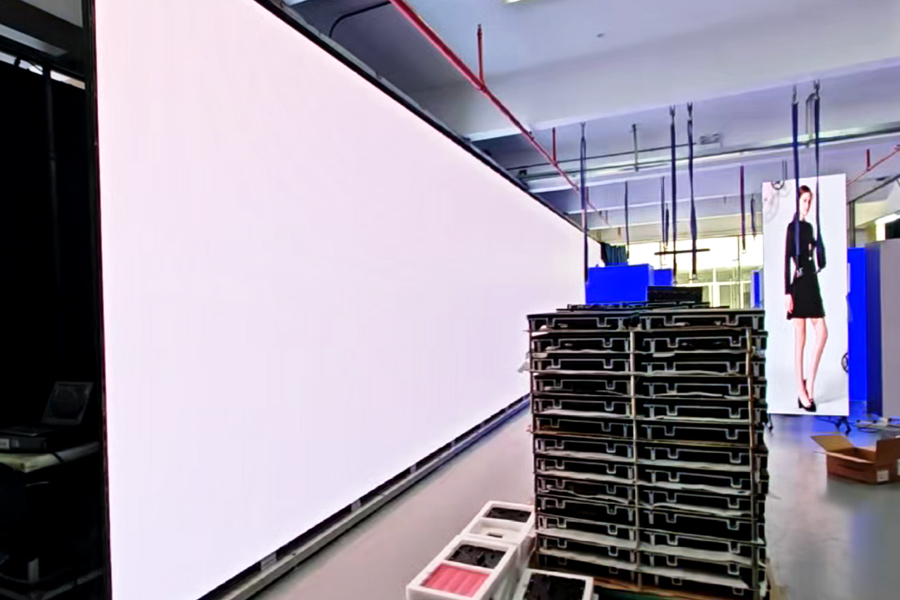
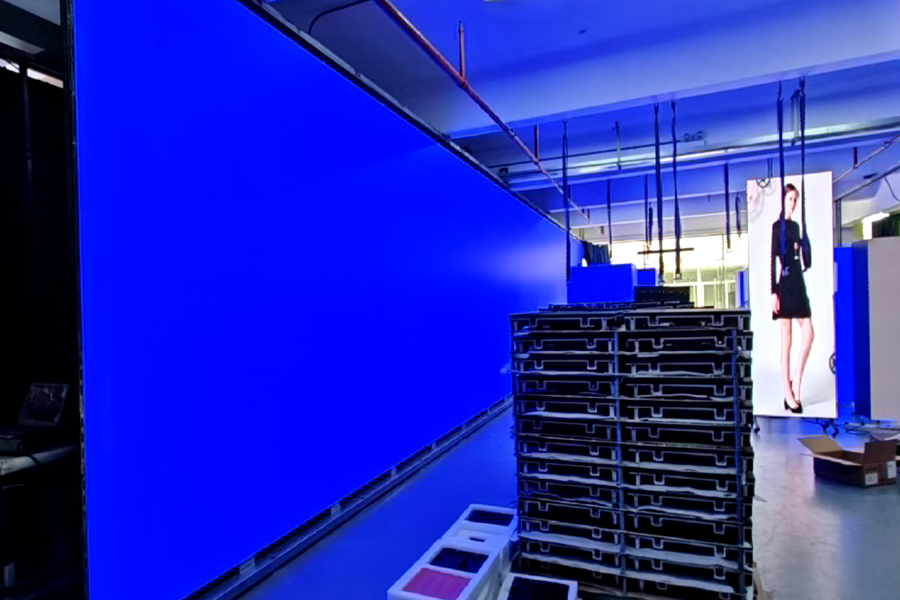
In the real world, stage panels are rarely identical. They may come from different production batches or have varying usage histories. Without calibration, these differences manifest as uneven color temperatures and brightness shifts across the screen. A well-tuned system effectively "averages" these variations out, creating a smooth, homogenous visual surface that holds up under the scrutiny of 4K cameras and live audiences.
Technical Mastery: Color, Gamma, and Mapping
Signal Mapping for Seamless Output
Signal mapping is the invisible traffic controller of your display. It dictates how the input video data is distributed across the array of cabinets. Incorrect mapping results in misaligned images or content overlap. For professional stage environments, precise mapping ensures that a moving graphic flows smoothly across the entire LED wall stage without breaking, maintaining visual integrity from every viewing angle.
Accurate Color Reproduction: Aligning with Broadcast Standards
Color accuracy is one of the most overlooked, yet critical, aspects of calibration. Unlike static signage, stage displays must adapt to shifting lighting conditions and camera exposure settings. Professional productions rely on broadcast standards like Rec. 709 and DCI-P3.
- White Balance: Stage lighting is dynamic. Moving spotlights and color washes can trick the eye. White balance calibration corrects these shifts, keeping whites neutral and skin tones natural regardless of the ambient lighting environment.
- Gamma Adjustment: Gamma correction manages the brightness levels of mid-tones, shadows, and highlights. Without it, screens can look harsh or flat on camera. Gamma tuning ensures the LED wall stage maintains depth and realism for both in-person viewers and broadcast audiences.
Practical Workflows and Troubleshooting
Managing Brightness Uniformity
In rental and touring applications, consistency is key. Calibration ensures that every section of the LED wall stage appears evenly lit. A prime example of hardware designed for this stability is the JINGRUNS Rental LED Display series. Engineered for rapid deployment, its modular structure allows technicians to maintain consistent visual output even under the tightest setup schedules, minimizing the visual impact of mixed usage or aging panels.
The Pre-Show Diagnostic Checklist
Efficient calibration is a balance of accuracy and speed. In live production, setup time is money. A structured pre-event inspection should include:
- Cabinet alignment checks.
- Signal integrity testing.
- Brightness verification.
This proactive approach identifies potential issues before they become critical failures during the show.
Advanced Strategies for Touring Fleets
As productions grow, the focus shifts from one-time fixes to system intelligence.
- Reusing Calibration Data: Advanced workflows allow teams to save calibration profiles for reuse across different venues, ensuring consistent output despite varying conditions.
- Hot-Swap Capabilities: In modular systems, if a cabinet fails mid-show, calibration data ensures the replacement unit matches the rest of the display instantly.
For high-precision environments where long-term color stability is paramount, the JINGRUNS fine pitch LED display is the industry standard. Its design supports sustained calibration accuracy through repeated deployments, making it a favorite for rental fleet operations.
Conclusion
LED wall stage calibration is not a one-time setup but an ongoing process that ensures visual excellence across every performance. From pixel-level alignment and color accuracy to brightness uniformity and signal mapping, every detail matters in delivering a seamless experience for live audiences and broadcast viewers alike.
Whether you are managing a rental fleet, outfitting a concert tour, or building a permanent installation, investing in proper calibration workflows and reliable hardware like JINGRUNS rental and fine pitch displays is essential for professional-grade results.
📩 Contact Jingruns Technology today to discuss your LED wall stage calibration needs and get a customized solution!
FAQ: LED Wall Stage Calibration
A: LED wall stage calibration is the adjustment of color, brightness, and pixel alignment across all cabinets to ensure a unified output. It is crucial because even minor inconsistencies become highly visible on a large scale.
A: Frequency depends on use. For touring or rental rigs, it is recommended before every major event or after relocation to guarantee visual performance.
A: Color drift is usually caused by aging LED components, temperature variation, or differing production batches. Calibration standardizes the output to correct these variations.
A: Yes. Proper calibration aligns the display with broadcast standards (like Rec. 709), ensuring camera footage accurately represents the live visuals without distortion.
A: The primary challenge is achieving perfect uniformity under time constraints—managing brightness balance, signal mapping, and environmental lighting simultaneously across a large-scale display.